90s K-Pop: The Sound That Built Modern Global Music Today
"The music of the nineties didn't just fill the room; it built the foundation of an entire culture that still breathes through every modern idol performance we see today."
To understand the current global phenomenon of K-pop, one must first understand the sonic architecture built in the 1990s. This era was the laboratory where the genres, the performance standards, and the emotional depth of the modern industry were first synthesized.
Key Takeaways * The sonic DNA of 90s K-pop established the structural and stylistic trends still echoed in contemporary hits. * Specific tracks captured the emotional and social nuances of the late 20th-century Korean landscape, creating a blueprint for storytelling.
* The enduring appeal of these songs transcends passing trends, offering a timeless musical value that bridges generations.
Why Does 90s K-Pop Still Hit Playlists Today?
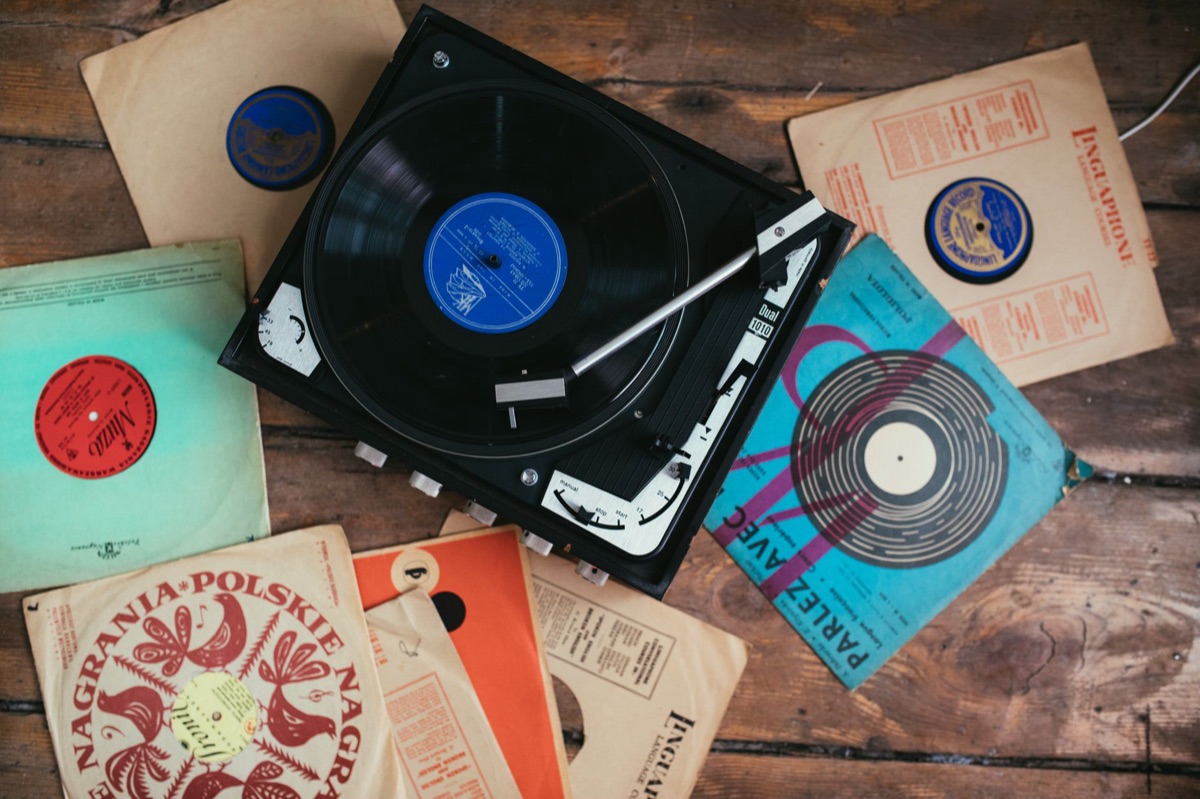
Late at night in a dimly lit studio, a hand reaches for a pair of headphones as the warm, crackling melody of an old track fills the quiet room.
At 11:30 PM on a rainy Tuesday in 2025, a young professional sits at a cluttered wooden desk in a small Seoul studio apartment, the blue light of a laptop illuminating a tired face.
They reach for a pair of wired headphone jacks and press play on a remastered track from 1996, the lo-fi warmth of the production cutting through the digital noise of the modern world.
There is a specific, magnetic pull to the melodies of the 90s that feels both nostalgic and strikingly fresh to a new generation.
The revival of 90s sounds isn't just a coincidence of aging listeners; it is a conscious rediscovery of authenticity. While modern production often leans toward hyper-polished, maximalist electronic sounds, the 90s offered a blend of analog warmth and early digital experimentation.
This era successfully bridged the gap between the purely acoustic musical traditions and the digital consumption era that would follow.
Interestingly, the linguistic landscape was also shifting during this formative period. In 1995, the percentage of song titles using English in the top 50 charts was only 8%, according to Wikipedia.
This shows how the music was deeply rooted in Korean lyrical sensibilities and local identity before the massive English-language integration seen in the current global era. This localized focus allowed for a specific kind of emotional storytelling that felt incredibly intimate and grounded.
The shift from physical media to digital formats would eventually change how we hear this music, but the songs themselves were built to last. They weren't just disposable hits; they were compositions intended to define an era.
But why did these specific sounds stick when so many other genres faded?
Deep Dive: The Essential Tracks and Their Eras
A vintage turntable spins in a dimly lit living room at 7:00 PM, the needle dropping with a soft crackle preceding a heavy drum beat and a soulful vocal line that defines a generation. The music of the 90s was not a monolith; it was a rapidly evolving spectrum of dance, ballad, and hip-hop.
In the early 90s, the sound was characterized by a blend of dance-pop and R&B, often featuring heavy percussion and synchronized choreography. As the decade progressed, the influence of hip-hop and more complex electronic arrangements grew.
Lyrical themes often centered on sincerity, youthful rebellion, and the complexities of first loves, providing a relatable emotional core.
To understand the evolution, we can look at the shift in production and lyrical focus through the following comparison:
| Feature | Early 90s Style | Late 90s Style |
|---|---|---|
| Primary Genre | Pop and Ballad | Hip-Hop and R&B influence |
| Instrumentation | Synthesizers and live drums | Sampling and drum machines |
| Lyrical Focus | Romanticism and innocence | Social commentary and self-identity |
| Vocal Style | Clear, melodic singing | Rhythmic, rap-infused vocals |
These songs were often the first time listeners heard the fusion of Korean language and western-influenced beats, creating a unique hybrid. The success of these tracks was often measured by their ability to dominate local charts and become the soundtrack to daily life.
When I first started digging through old archives in 2024, I was struck by how much the drum programming felt "human" compared to the quantized perfection of today. It had a swing that felt alive.
The shift from these organic textures to the digital era was sudden, and it changed the very nature of the artist.
The Artists Behind the Sound
A young artist stands on a brightly lit stage in 1997, wearing oversized denim and a cap, nervously but passionately delivering a rap verse that will change the course of music history. The artists of the 90s were the pioneers, the ones who had to invent the "idol" archetype from scratch.
These artists were often experimentalists. They weren't just singers; they were the architects of a new kind of stardom. They faced the challenge of introducing new genres—like hip-hop and techno—to a public that was still largely accustomed to traditional ballads and trot music.
This required a delicate balance of being "cool" and "new" while remaining accessible to the general public.
The journey of these artists was often one of trial and error. They navigated the transition from being local stars to becoming the first wave of regional icons. Their ability to blend genres and push the boundaries of what a "pop star" could be is exactly why their artistry remains relevant.
They didn't just follow trends; they created the frameworks that modern agencies still use to train and debut artists today.
But how do you actually "study" this era to understand its impact?

How to Navigate the 90s Sonic Landscape
A student sits in a quiet corner of a university library in 2026, surrounded by stacks of printed lyric sheets and a tablet playing a curated "90s Essentials" playlist. They aren'e just listening; they are analyzing the structure of a masterpiece.
To truly grasp the influence of this era, follow this methodical approach to listening:
- Identify the Genre Blend: Listen for the mixture of traditional melodic singing and the sudden introduction of rhythmic rap verses.
- Analyze the Instrumentation: Note the transition from live drum kits and acoustic pianos to the early use of drum machines and digital samplers.
- Examine the Lyrical Arc: Look for how songs moved from simple romantic themes to more complex social and self-identity narratives.
- Observe the Performance Style: Watch how the choreography evolved from simple synchronized movements to the complex, high-energy dance routines seen in modern groups.
By following these steps, you can see the blueprint of the modern industry being drawn in real-time.
The emotional sincerity of the 90s resonates differently with modern, fast-paced listeners. In an era of short-form content and "viral" snippets, the longer, more narrative-driven songs of the 90s offer a sense of depth and patience.
For many, these songs serve as a "slow" listening experience that provides an escape from the constant stimulation of the digital age.
This music acts as a perfect gateway for international fans. While modern K-pop is globally ubiquitous, the 90s tracks provide the historical context and the "soul" behind the polished perfection.
The depth of the songwriting—often focusing on long-form storytelling and complex emotional arcs—holds up remarkably well against modern trends. It proves that while the technology and the visual presentation change, the fundamental human need for a good melody and a relatable story does not.
But what happens when the nostalgia meets the reality of the modern ear?
Note on the Era It is important to recognize that the 90s were a time of transition. The music was not always perfect, and the production was limited by the technology of the time. However, it was within these limitations that the most creative and enduring sounds were forged.
This era was the foundation, and while it may sound different from today, its influence is everywhere.




Comments 0