Kpop music video trends: How artists use visual storytelling
"The visual language of a music video often speaks louder than the lyrics themselves, turning a three-minute song into a cinematic universe."
Kpop music video trends are driven by a sophisticated blend of high-concept visual storytelling and deep emotional messaging. These videos serve as a primary vehicle for artist identity, using symbolism to bridge the gap between music and audience.
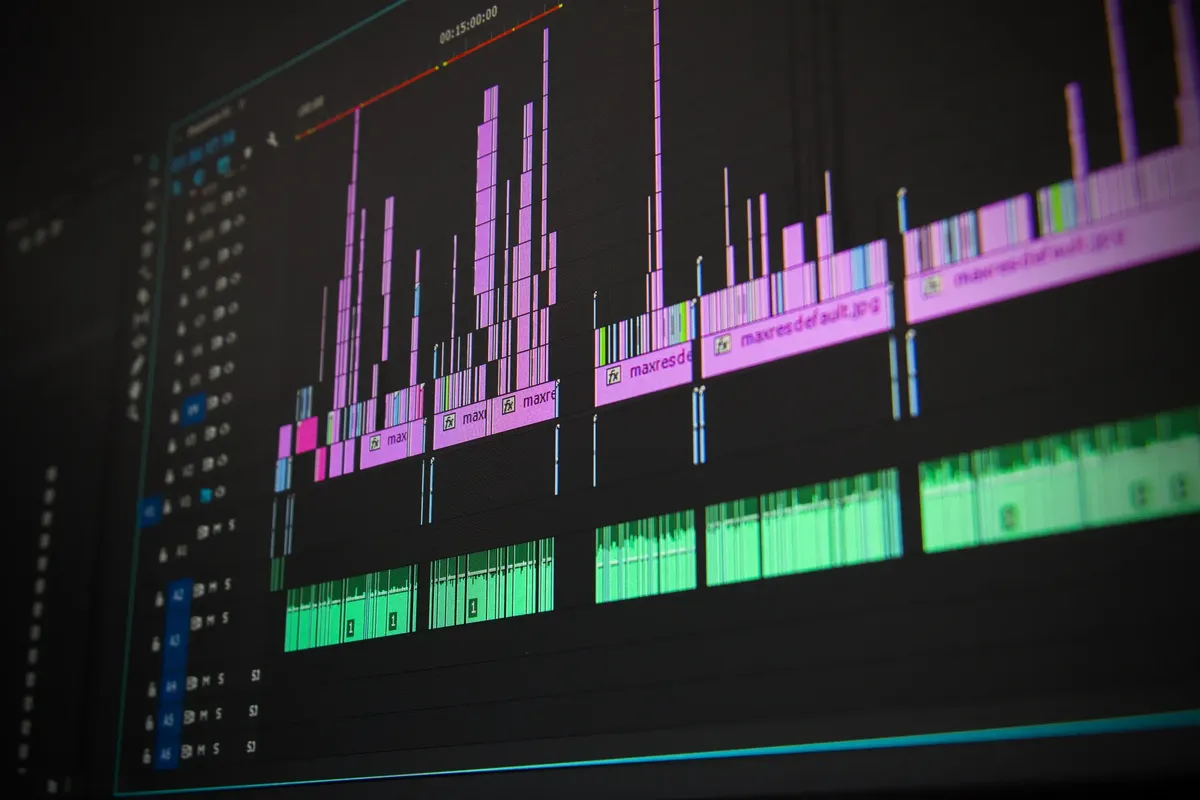
This analysis explores how creative music video analysis reveals the mechanics of global popularity, the methods used for artist message delivery, and questions regarding why Kpop videos trend so effectively.
How do artists use visual storytelling in Kpop?
I leaned forward in my chair at midnight, squinting at the screen to decode the hidden symbols within the latest kpop cinematic masterpiece.
A director adjusts a camera lens to capture a single, striking color palette that defines a group's entire concept. This deliberate use of color and setting allows a group to build a distinct world that fans can recognize instantly.
According to the Los Angeles County Museum of Art, a 2022 donation was used for the creation of an art brochure introducing Korean paintings.
Creative music video analysis shows that every frame is designed to build a specific atmosphere. By using recurring motifs, artists create a sense of continuity across different releases. This visual consistency helps fans navigate complex narratives.
The depth of these stories often requires multiple viewings to fully grasp. Fans frequently revisit videos to find hidden clues or symbolic meanings. This repetition keeps the content relevant and maintains high engagement levels.
- Establishing a core narrative theme.
- Developing recurring symbolic motifs.
- Executing high-production cinematic sequences.
What drives the group message visual transfer? Kpop music video trends
I leaned forward in my dim bedroom at midnight, my eyes stinging as I traced the synchronized movements of the kpop dancers on my screen.
A choreographer moves in perfect synchronization with a flashing neon light, turning a simple dance into a narrative beat. The movement becomes a language that conveys the group's core values without saying a word.
The group message visual transfer relies on the seamless integration of performance and plot. When a group's message is tied to their choreography, the emotional impact becomes much stronger. This synergy ensures that the music and the image are inseparable.
Such techniques allow artists to communicate complex themes like identity or struggle. By using synchronized movement, they represent unity and collective strength. This visual teamwork reinforces the group's bond in the eyes of the audience.
In this sequence, the second step is the most extensive.
Why do these high-concept styles remain popular?
A fan sits in a dimly lit room, eyes glued to a screen as a new, high-budget video premieres. The sheer scale of the production creates an immersive experience that feels like a mini-movie.
The question of why Kpop videos trend often leads back to their high production value. These videos are not just supplementary content; they are central to the artist's brand. The spectacle draws in casual viewers and keeps them engaged.

Moreover, the ability to share these visual experiences on social media fuels their growth. A single striking shot can go viral, acting as a doorway to the artist's entire discography. This digital-friendly nature is a key driver of their success.
How does visual storytelling in Kpop impact fan engagement?
A fan meticulously captures a screenshot of a specific prop used in a music video. This small act of curation becomes part of a larger community discussion about the artist's lore.
Visual storytelling in Kpop creates a sense of discovery. Fans love to play detective, searching for links between a new video and previous releases. This intellectual engagement turns listeners into active participants.
This engagement builds a loyal community. When fans feel they are part of a shared secret or a complex puzzle, their emotional investment deepens. This connection is vital for long-term success in a competitive industry.
What are the limitations of analyzing music videos?
A critic looks at a finished edit, noting how much of the original intent was lost in post-production. While the visuals are powerful, they are only one part of the total musical experience.

One limitation is that visual spectacle can sometimes overshadow the musical quality. If a video is too overwhelming, the listener might focus more on the imagery than the song itself. This can lead to a disconnect between the audio and the visual.
Additionally, the high cost of production can limit the diversity of styles. While many videos are groundbreaking, the industry trend toward high-budget spectacles can make it harder for smaller artists to compete. This economic factor shapes the visual landscape.
The subject here is Kpop music video trends.
This part also covers Kpop video creativity impact.
This part also covers Modern era music video style.
Related
- AI K-Pop music video trend: Why digital realms shift music
- K-Pop lyrics matter: Why K-Pop lyrics matter deep dive
What are the conditions for effective visual language in Kpop?
Effective visual language in Kpop requires a deliberate alignment between the artistic vision and the audience's expectation. A director must ensure that the chosen color palette supports the underlying emotional messaging of the song. The use of recurring motifs must feel organic to the narrative, not simply decorative.
When the high-concept visual storytelling successfully merges with the musical structure, the resulting impact is amplified. This synergy means that the visual language reinforces the themes presented in the lyrics. If the visuals conflict with the audio, the intended message risks fragmentation.
The condition for deep fan engagement is the provision of symbolic depth within the visual language. Fans seek artifacts or clues within the cinematography to participate in the story. This search for meaning transforms passive viewing into active interpretation.






Comments 0