4-Minute Masterpiece: K-Pop MVs as Visual Narratives
"A single frame can tell a thousand stories, but a K-pop music video builds an entire universe in four minutes."
Understanding the visual language of K-pop is the difference between just watching a dance and experiencing a masterpiece. This deep dive explores how directors use color, movement, and symbolism to turn catchy hooks into cinematic events.
* Dominant Concept: High-concept world-building ranging from surreal dreamscapes to gritty dystopian realities. * Directorial Technique: Precise synchronization of rapid-cut editing with rhythmic percussion. * Narrative Arc: Non-linear storytelling that uses visual metaphors to expand on lyrical themes. * Impactful Element: The seamless integration of high-fashion styling with symbolic choreography.
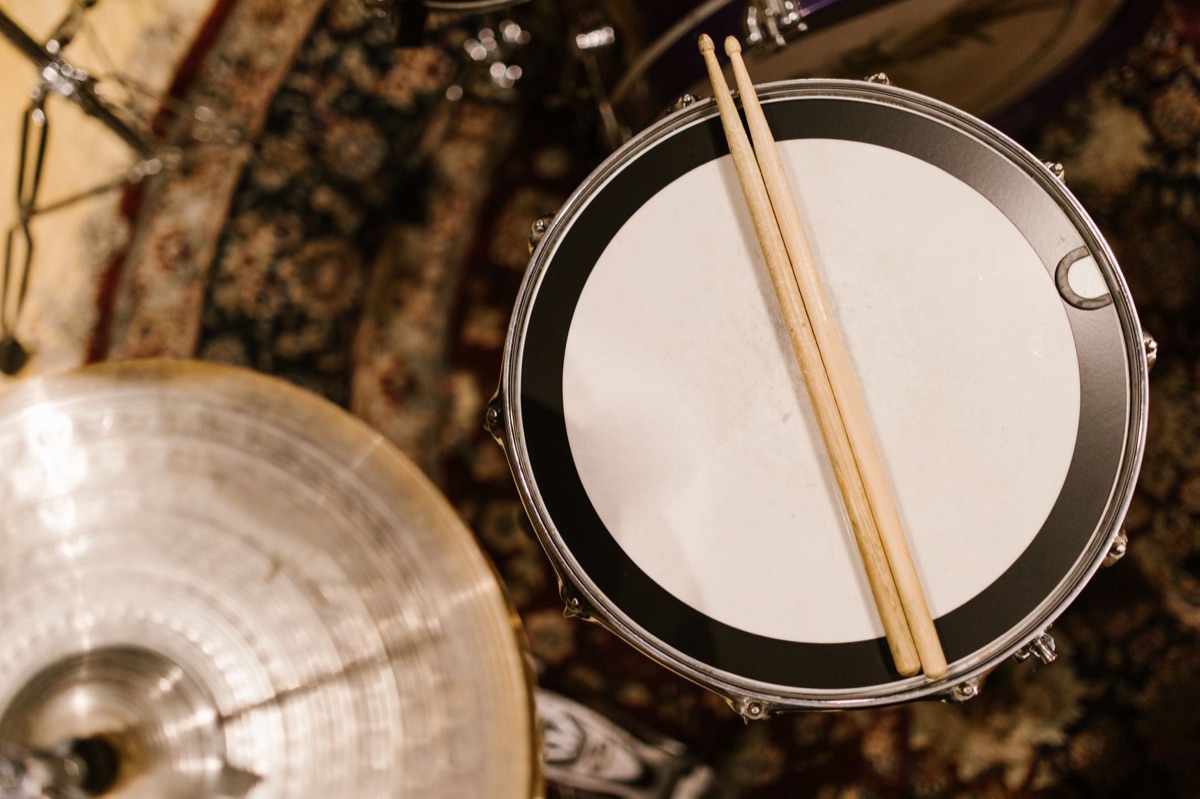
What is the Core Concept of the MV?
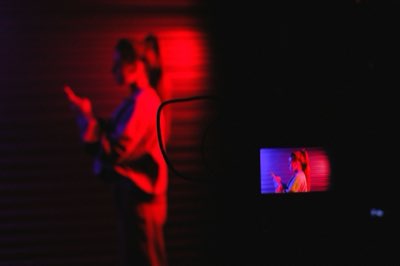
In the quiet studio at midnight, the director leans forward to touch the cold glass of the monitor as the first flicker of a neon wasteland illuminates the room.
The studio lights hum in a quiet room as a director stares at a monitor in late 2025, waiting for the first frame of a new era to flicker to life. In that instant, a world is born.
The core concept of a K-pop music video acts as the foundation for everything that follows. It isn't just a setting; it is a cohesive "universe" designed to immerse the viewer.
Whether it is a vibrant, candy-colored dreamscape or a desolate, futuristic wasteland, the setting dictates the emotional rules of the video.
In many high-budget productions, the central conflict is often introduced within the first 30 seconds. This isn't always a physical fight; it might be a sudden shift in color temperature or a character looking directly into the lens to break the fourth wall. This initial hook sets the stakes.
If the song is about heartbreak, the setting might be a hollow, oversized mansion that emphasizes loneliness. If it is about empowerment, the setting often feels expansive and limitless. Symbolism is baked into these initial shots.
A recurring motif—like a specific flower, a broken mirror, or a particular shade of neon blue—serves as a visual shorthand for the song's theme. These elements prepare the audience for the emotional journey ahead.
But setting the stage is only the beginning; the real magic happens when the camera starts to move.
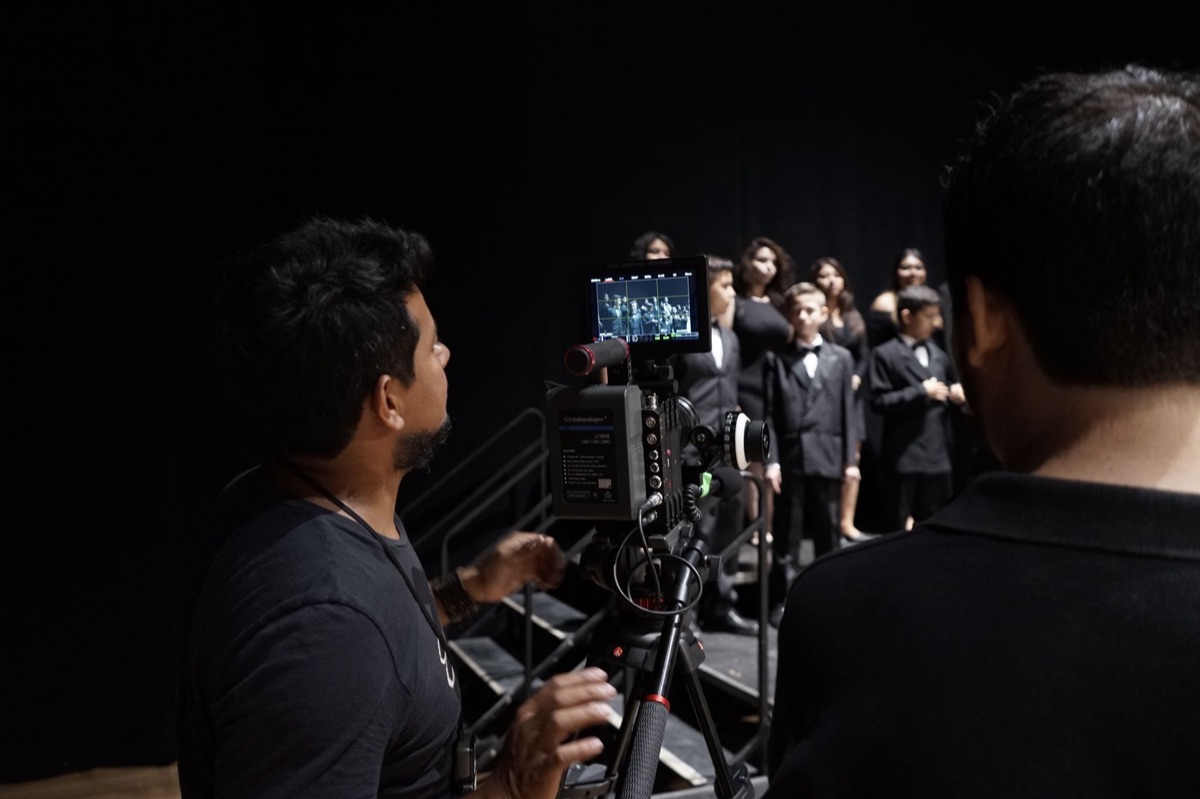
Why does the visual language change so fast?
At dawn, the cameraman wipes sweat from his forehead while the sudden shift from a wide landscape to a tight close-up stings his eyes.
A cameraman adjusts the focus ring at 2:00 AM, leaning in close to capture the sweat on a performer's brow during a high-intensity dance break. The transition from a wide shot to a tight close-up changes everything.
To understand how these videos work, we have to look at the technical "how." Cinematography plays a massive role. Directors often use crane shots to show the scale of a massive set or extreme close-ups to capture raw emotion.
Slow-motion is frequently used during emotional crescendos to stretch a single moment of tension, while fast-paced cuts are used to mimic the energy of a heavy bassline.
Costume and styling are never accidental. In a well-directed video, the wardrobe acts as a narrative tool. A character might start in monochromatic, muted tones to represent repression, only to transition into vibrant, patterned silks as they find freedom.
The clothes tell you who the character is before they even speak.
Choreography is also a visual language. It isn't just about the dance; it is about how the movement interacts with the camera. A sharp, synchronized group movement can symbolize unity, while a single member breaking away from the formation often signals a turning point in the story.
The editing must match this. During a chorus, the cutting speed usually accelerates to match the energy, creating a sense of kinetic excitement that keeps the viewer hooked.
While the movement keeps you watching, the way the story unfolds can leave you breathless.
How is the narrative arc built?
The crew clears the set at 3:00 AM on a Tuesday morning, leaving behind a silent stage that was, just hours ago, a battlefield of light and shadow. The story is finished, but the meaning remains.
Mapping the song structure to the visual progression is a hallmark of professional K-pop direction. Typically, Verse 1 establishes the "normal" world. The first Chorus acts as the first emotional peak, often accompanied by a change in lighting or setting.
As the song moves into Verse 2, the plot usually deepens, introducing complications or secondary characters.
Key turning points often occur during the "bridge"—the musical section that breaks the repetitive pattern of the song. This is where a plot reveal often happens: a character discovers a secret, a setting changes entirely, or a hidden relationship is revealed.
Non-verbal elements, such as specific props or the presence of background extras, help advance the plot without a single word of dialogue. A single wilting rose on a table can tell a story of decay that lyrics alone might miss.
The resolution—or the lack thereof—at the end of the video is designed to linger. Some videos end on a cliffhanger to spark fan theories, while others provide a sense of catharsis, leaving the viewer reflecting on the journey.
But how do we make sure the eyes stay as busy as the ears?
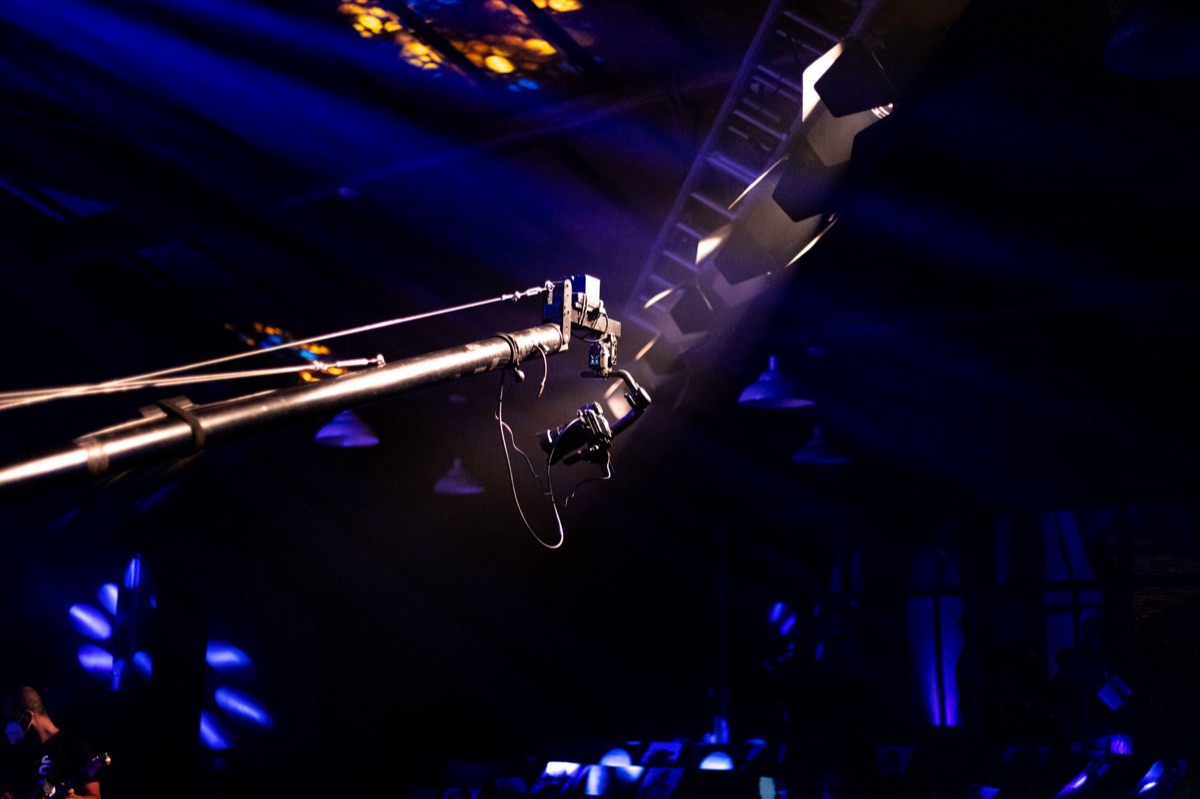
What is the secret to sound vs. sight synchronization?
A sound engineer slides a fader up in a dim control room, and as the beat drops, the screen explodes into a burst of synchronized color. The eyes and ears are perfectly aligned.
The most satisfying moments in a music video occur when the visuals and audio hit a perfect synchronization point. This might be a sudden cut to a wide shot exactly on a heavy drum beat or a transition from black-and-white to color at the moment a melody lifts.
These "sonic-visual hits" create a visceral physical response in the viewer.
Sometimes, the visuals do more than just follow the beat; they expand upon the lyrics. If a lyric mentions "falling," the camera might literally tilt or the scene might transition to a downward-moving shot. This adds a layer of depth, turning a simple pop song into a multi-dimensional experience.
Instrumental breaks also provide a canvas for visual storytelling. During a solo dance break or a heavy synth instrumental, the director can experiment with more abstract imagery—like glitch effects or surrealist landscapes—that wouldn't fit during the vocal sections.
This convergence of sound and image is what creates the lasting emotional resonance that makes a video go viral.
How is the technical execution managed?
The production manager checks the final shot list on a tablet in the middle of a busy studio, noting the massive scale of the practical sets built over the last month of production. The craftsmanship is invisible but essential.
The sheer scale of production is often staggering. From scouting remote natural locations to building massive, custom-made sets in a studio, the logistical effort is immense. Special effects—both practical and digital—are used to create worlds that feel tangible yet otherworldly.
Color grading is another vital tool. The "look" of a video—whether it is warm and golden or cold and blue—is often decided in post-production to set the mood.
A director might use heavy grain to give a video a vintage, nostalgic feel, or high-contrast lighting to create a sense of drama and tension. Managing transitions between different visual sequences is a technical challenge.
A seamless transition—like a character walking through a door in one setting and stepping into a completely different world—can make a video feel like a continuous, fluid dream.
Comparison of Visual Styles
| Feature | Concept-Driven (e.g., Sci-Fi/Fantasy) | Performance-Driven (e.g., Dance-Focused) |
|---|---|---|
| Primary Focus | World-building and plot | Choreography and charisma |
| Set Design | Elaborate, custom-built environments | Minimalist or stage-based sets |
| Editing Style | Narrative-based, slower pacing | Rhythm-based, fast cuts |
| Costume Role | Character development/storytelling | Visual impact and movement ease |
How to Watch a K-Pop MV Like a Pro
If you want to truly appreciate the work put into these videos, follow these steps:
- Watch it once for the music: Just let the song wash over you without overthinking the visuals.
- Watch it a second time for the details: Look for recurring symbols, color shifts, and hidden props.
- Analyze the cuts: Pay attention to when the editor changes the shot—does it happen on a beat, or is it timed to a lyric?
- Compare the lyrics to the imagery: Ask yourself, "Why did they show *this* specific shot during *that* specific line?"
- Check the "Ending Fairy": Observe how the final shot of each member is handled and how it concludes the visual arc.
When I first started analyzing these videos in 2024, I thought it was all just about flashy lights. I quickly realized that every single flicker of light is a deliberate choice designed to trigger an emotional response.



Comments 0